


please confirm your location


请确认您的位置
For several years now, growth has been soaring in the market for Unmanned Systems (UxS), whether Aerial (UAV), Ground (UGV) or Surface (USV) vehicles. In today's world, drones play a key role in military, civil and industrial operations. Their ability to quickly access challenging or hazardous environments, gather information in real time and minimize human exposure has cemented their status as the go-to solution for a vast range of situations.
One of the most striking developments today is the growing trend of incorporating thermal imaging into drones, since this technology has the power to supercharge their precision and versatility. Thermal imaging is capable of seeing, detecting, targeting, locating and measuring, even when environmental conditions prevent traditional visible imaging sensors from being used.
With its legacy as a world leader in thermal detection, LYNRED is developing miniaturized, robust and high-performance infrared sensors and modules to support these major changes.
1. A fast-accelerating drone market structured by demanding applications
The surging growth of the Drone ecosystem has been fueled by the swift change in the operational needs expressed by the defense industry and the civilian sector. Drones used to be fitted with thermal cameras for observation purposes, but now they are seen as strategic assets for their ability to perform reconnaissance, analytical and security missions with superior precision.
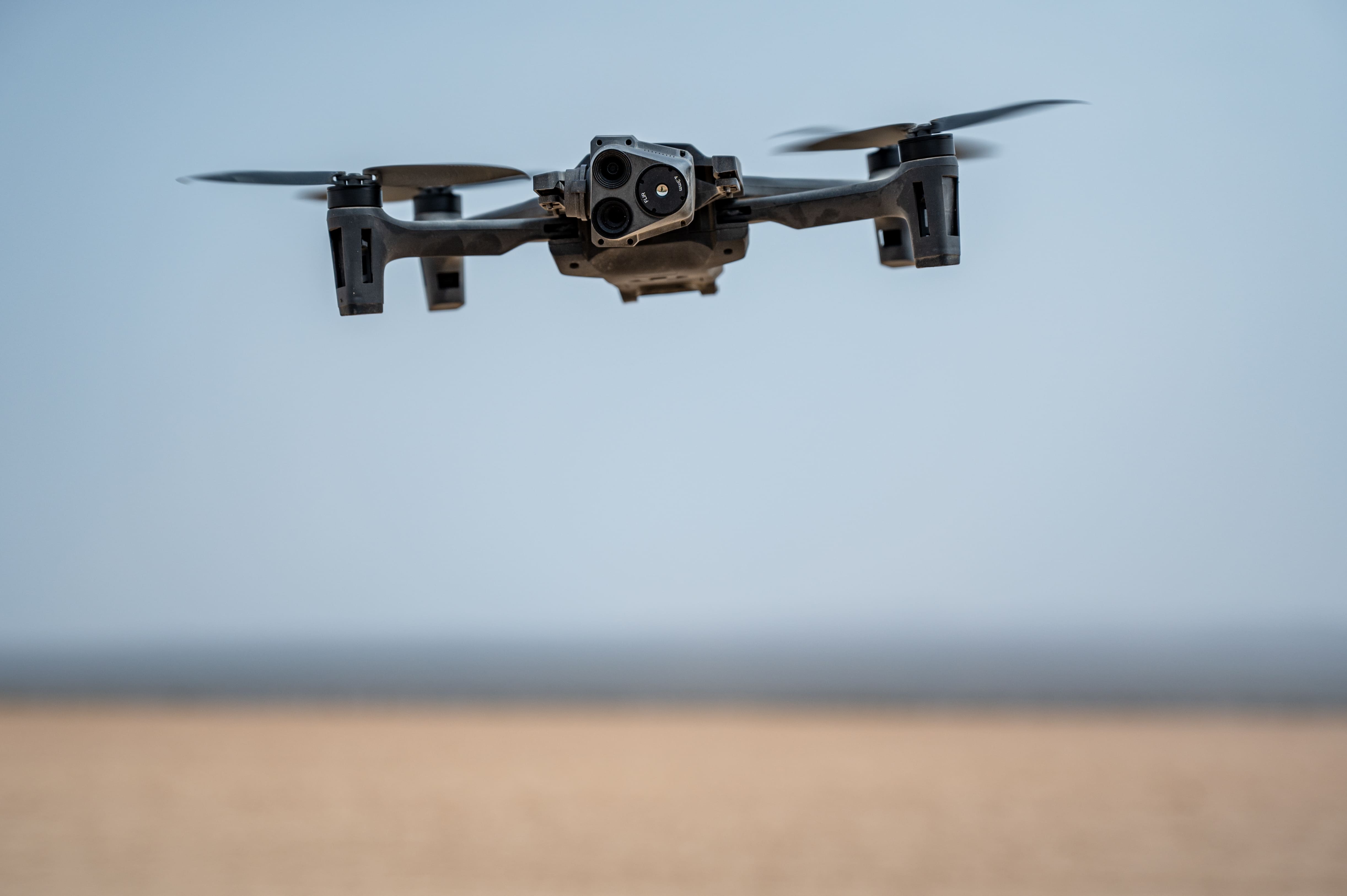 Drone systems are used by the defense sector to conduct intelligence, surveillance and reconnaissance (ISR) missions, and provide combat or geopositioning support, especially in "GNSS-denied" environments, meaning areas where GPS services are unavailable, disrupted or deliberately jammed. Armed forces also rely on these systems to transport heavy payloads, carry out emergency medical operations, especially medivacs, and perform targeting missions.
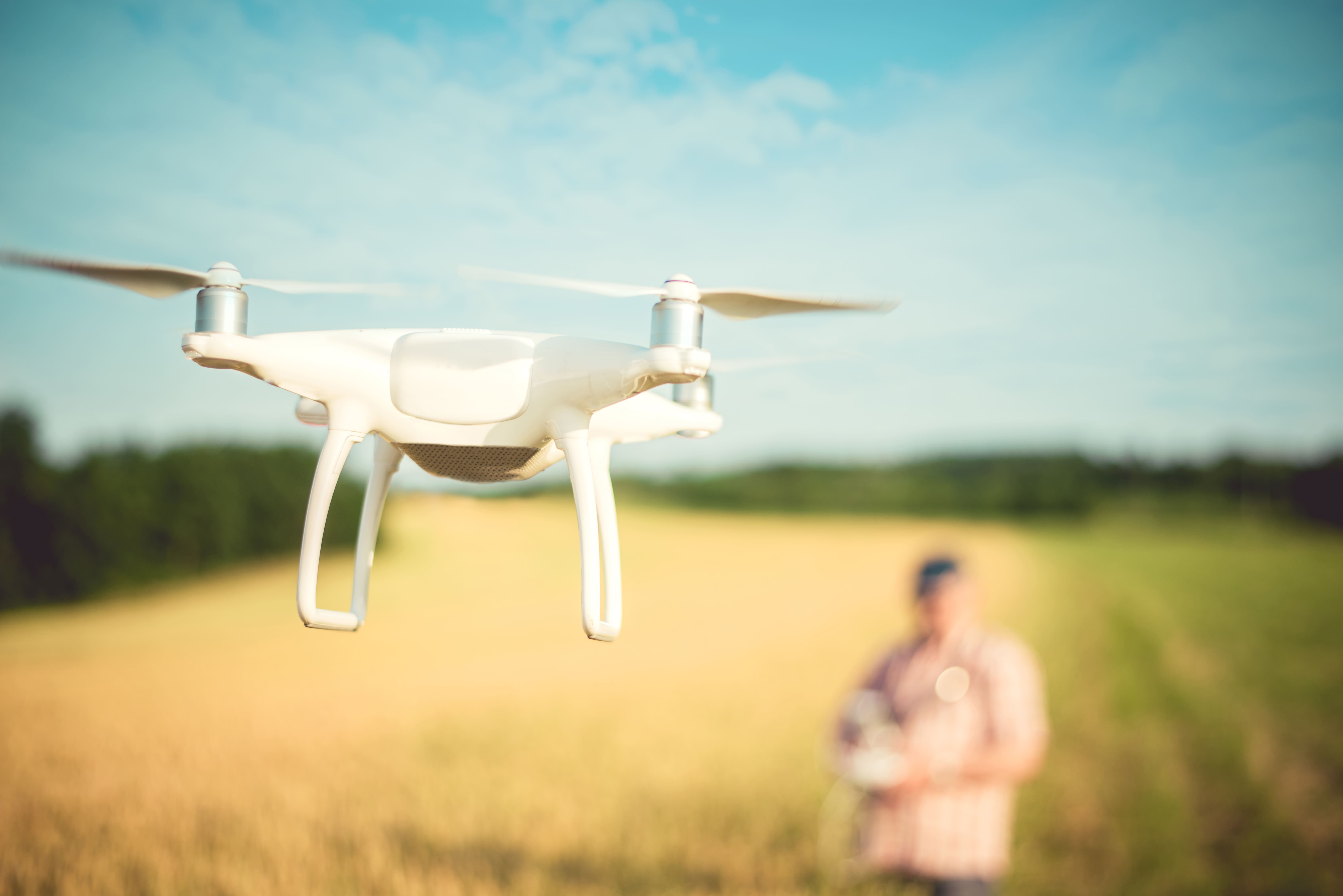 As for the civilian sector, market growth may be steadier, but it harbors tremendous potential. Thermal imaging drones are now being used to keep a watchful eye on sensitive sites, inspect industrial equipment and energy facilities such as solar farms, and support precision agriculture. Many of these applications are still in the teething stages, such as gas detection, rescue operations and autonomous drone-based parcel deliveries, but all of them are already harnessing the undeniable advantages that infrared vision can bring to the table.
Therefore, the market is experiencing sustained growth driven by:
- The upsurge in professional applications, including security, defense and industry
- Lower technology costs, which encourage infrared imaging’s uptake
- Miniaturized sensors, including infrared sensors
2. Military applications for drones equipped wiht thermal imaging: ISR, protection and greater tactical capabilities
Unmanned systems now form an integral part of any military operation. Embedding the infrared technology into a UxS (whether a UAV, UGV or air-dropped system) allows armed forces to safely map out an area with greater precision and speed.
2.1. ISR: observation, detection and analysis whatever the circumstances
ISR missions (Intelligence, Surveillance, Reconnaissance) are the cornerstone of UxS-based military operations.
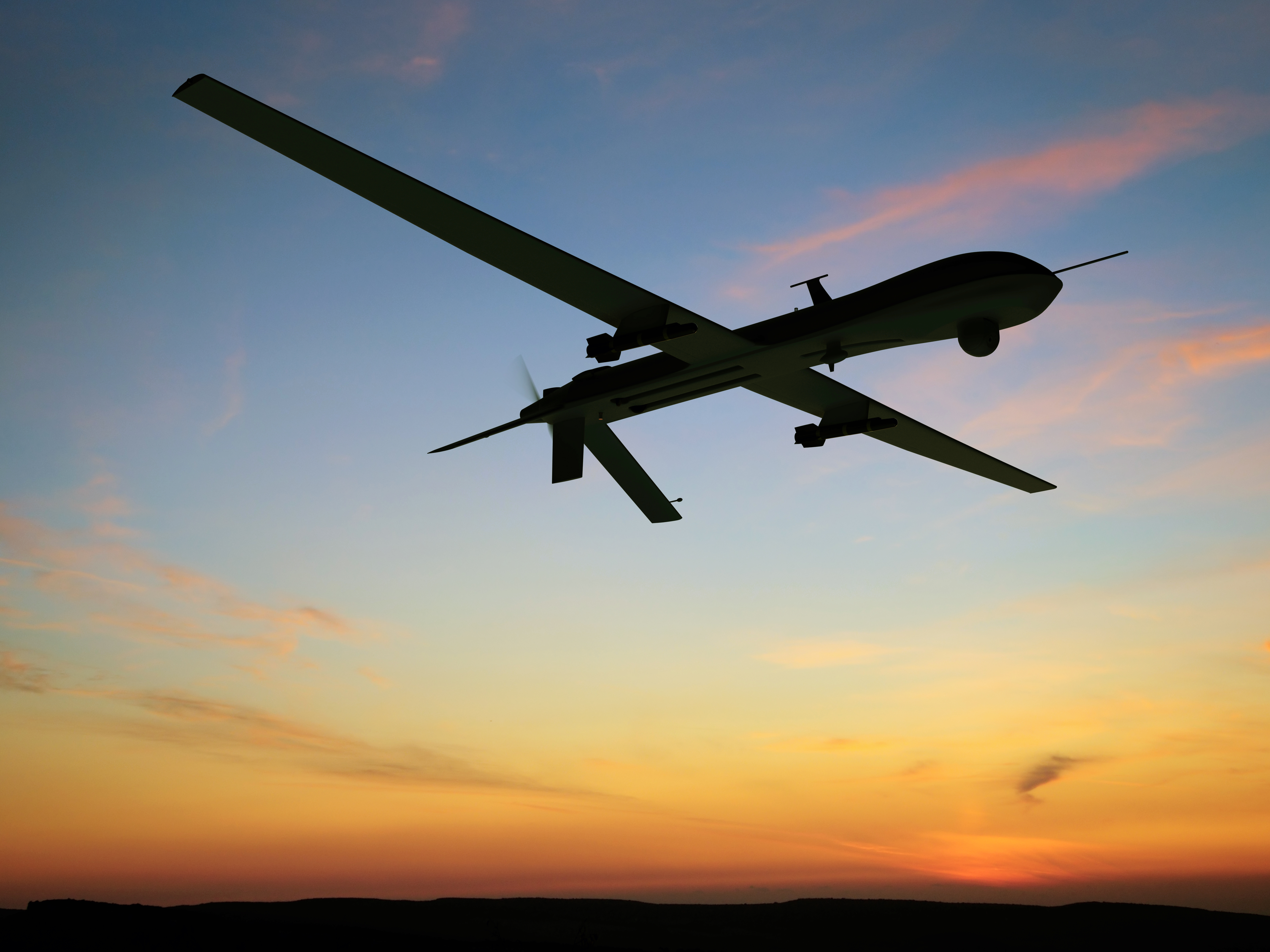 Infrared images can be used to observe a target area during the day and at night, overcome poor visibility conditions (smoke, dust or fog) and identify heat signatures that would otherwise go undetected with a visible light sensor.
Forces can use infrared imaging to secure a perimeter before troops hit the ground, evaluate a hotspot or identify potential hazards without exposing the ground units to danger. Drone systems can be likened to digital scouts with their ability to provide accurate intel on the lay of the land.
2.2. Drones with thermal sensors for protecting frontline troops
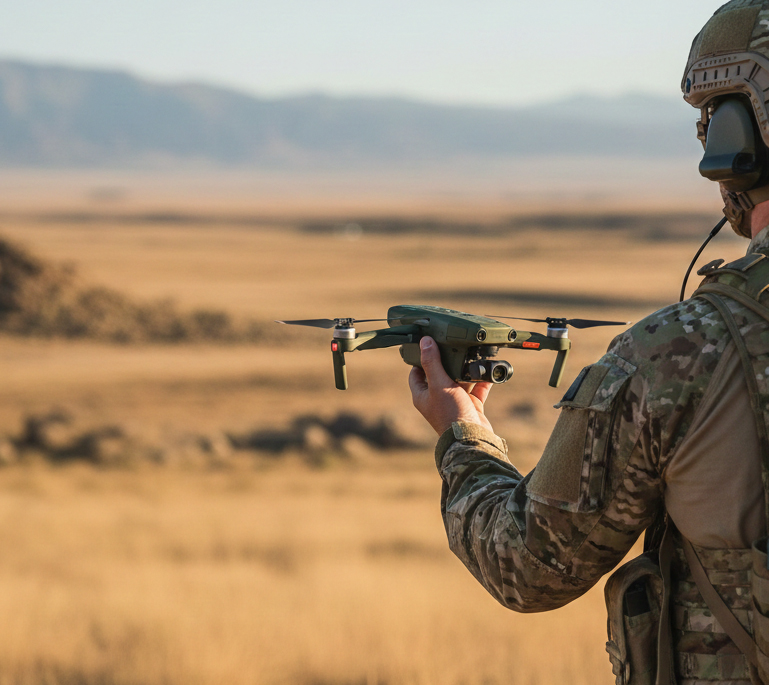 Thermal drones and robots fitted with thermal imaging sensors play a mission-critical role in shielding the infantry from harm. They can scope out a building before troops arrive, check for threats, and monitor a hotspot's surrounding areas. The infrared technology provides passive, discreet and reliable images, which are essential for anticipating hazards and protecting the teams on the ground.
UGVs with thermal imaging capabilities can get close to high-risk areas and stream crucial thermal information back to the troops in real time. These qualities mean that they are vital for taking quick decisions and restricting any exposure for the frontline soldiers.
2.3. Loitering munitions: accurate and instantly effective
Loitering munitions, which are also known as kamikaze drones, represent another important category. These aerial combat drones are fitted with thermal cameras and carry an explosive charge. In most cases, they include thermal imaging sensors in the QVGA format that are integrated into ATIs (Advanced Thermal Imagers), which are microbolometers. What makes them distinctive is their one-off use, so a strict compromise is required between their cost, performance and instant effectiveness.
2.4. Dedicated mini-drone systems for ISR missions
Mini-drone systems for ISR missions exclusively use microbolometers in the QVGA, VGA and SXGA formats.
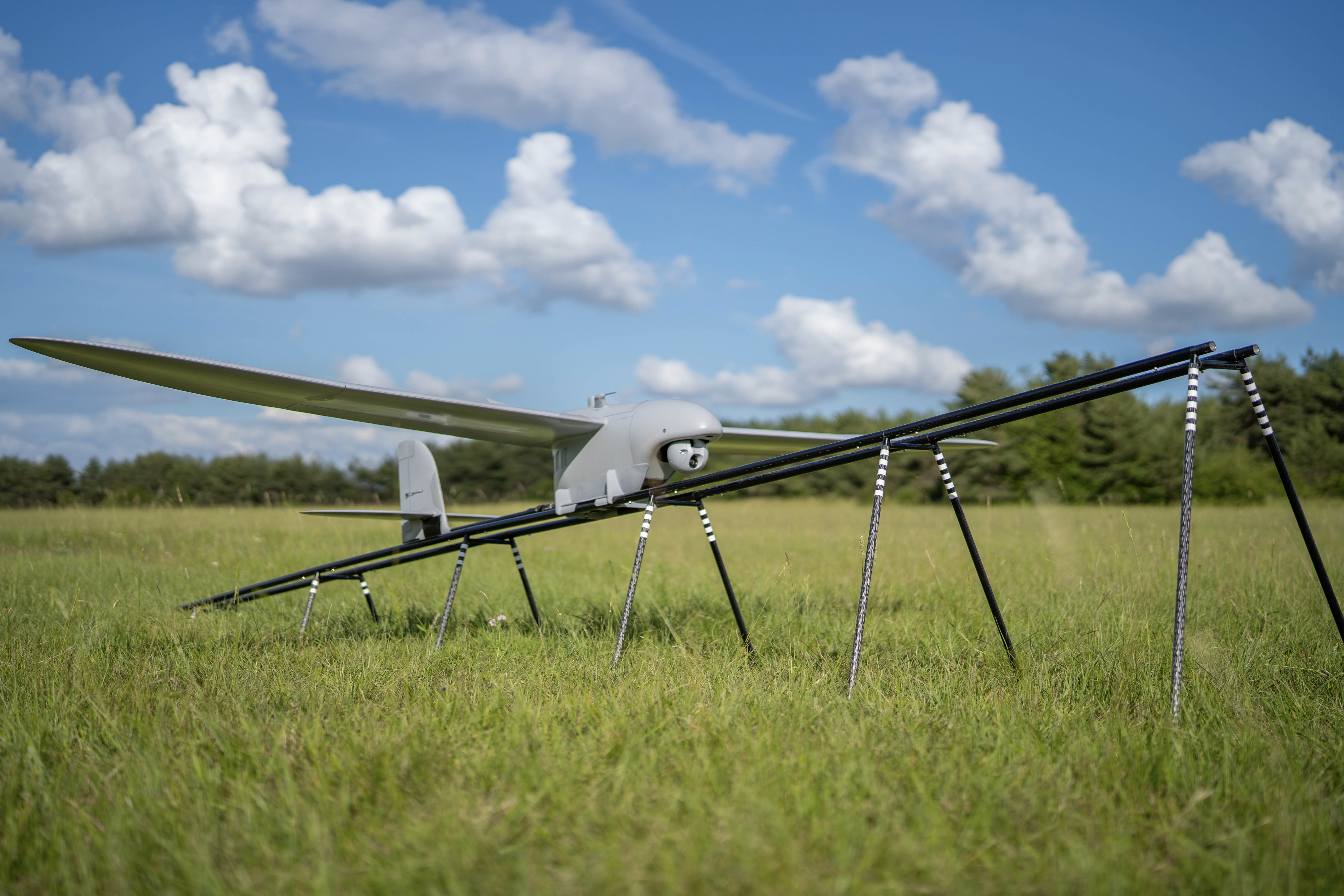
Unlike loitering munitions, these systems can be used over and over again, meaning that they are subjected to greater operational stress throughout their lifespan. That explains why infrared sensors are more expensive on average, since they need to be sufficiently robust and reliable to perform these types of missions.
These compact platforms make full use of LYNRED's uncooled detectors, especially the models in the ATTO, ATI and PICO ranges, since their low power draw and space-saving design make them ideal solutions for these small payloads.
2.5. Optronic gimballs: clear diameter-based segmentation
Optronic gimballs represent a highly strategic market for military applications. The market can be split into several diameters:
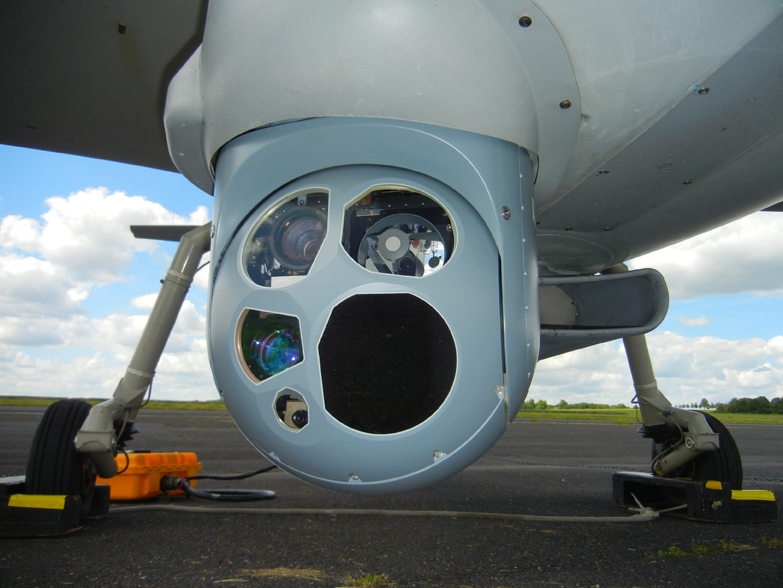
- Gimballs less than 8 inches mainly include microbolometer sensors
- Gimballs between 8 and 15 inches feature cooled or InGaAs detectors
- Gimballs over 15 inches are mainly based on long-range cooled detectors or InGaAs solutions
The cooled detectors manufactured by LYNRED (EOLE MW, GALATEA MW SL and SEEGNUS MW SL) and the microbolometers have all platform sizes covered, from tactical drones to MALE and HALE UAVs.
3. Civil applications for infrared sensor drones: surveillance, inspection and environmental analysis
Thermal drones are increasingly entering the mainstream in the civil sector. They bring a degree of mobility, fast deployment and flexibility that no other technology can match. IR drones are capable of gaining access to hard-to-reach areas, which extends the boundaries of the surveillance zone while improving the level of analysis.
3.1. Thermal drones in industry and the energy sector
The energy sector stands as one of the most strategic markets for civil drones. Thermal drones can be put to work for inspecting powerlines, transformers, dams, power plants, windfarms and solar panels.
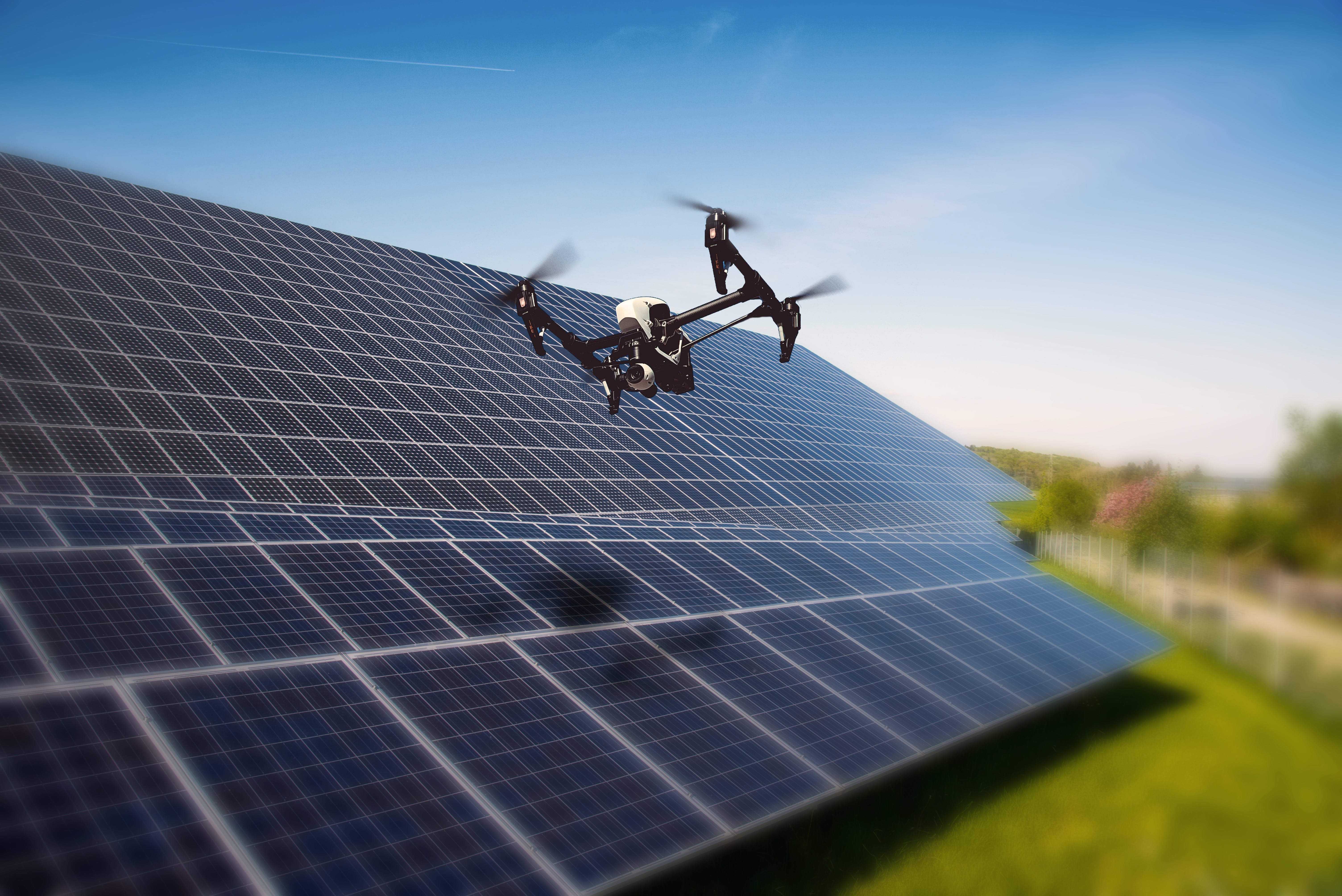
Their ability to pinpoint abnormal heat levels brings greater precision when diagnosing faults and consequently improves safety. UxS systems with embedded thermal imaging represent a fast, mobile and much more cost-effective solution for inspecting large facilities and infrastructure, since there is no need to always send out teams to hard-to-reach areas.
3.2. Thermal detector drones for the agricultural sector
The same principle holds true for the agricultural industry. By scanning fields from high above, thermal drones can reveal differences in soil moisture, areas where crops are suffering from water stress, and irregular crop growth. Farmers can use this thermal information (which is invisible to the visible light spectrum) to adapt their irrigation systems, spot crop diseases earlier and accurately target the areas where action is required.
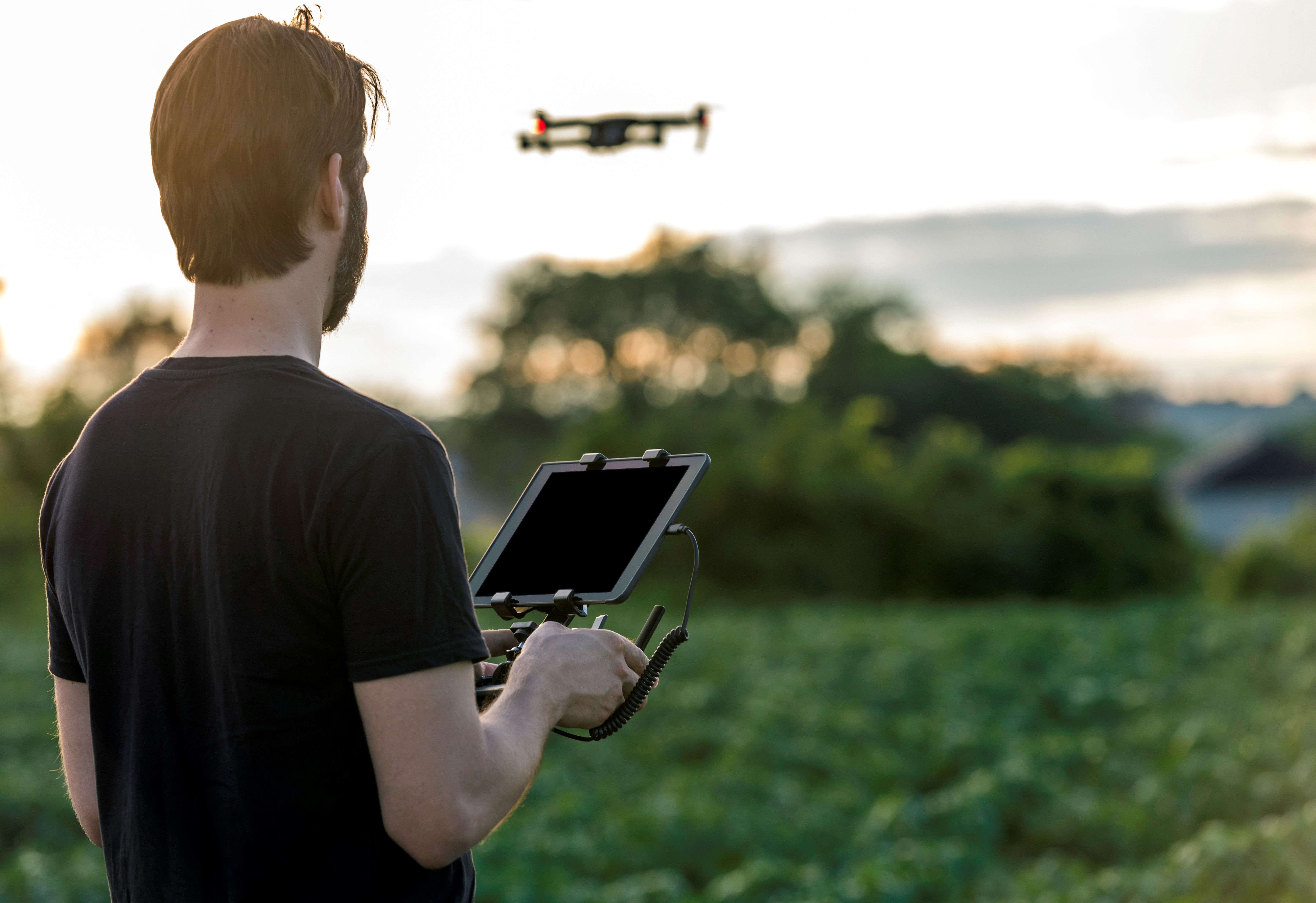 This brings greater efficiency, sustainability and control to their crop management practices.
The reason that these applications can actually be performed is that LYNRED's microbolometer sensors and ATI modules feature a compact design combined with a low power draw and excellent image quality, which are essential attributes for missions where mobile, lightweight solutions are the priority.
4. The technological challenges facing infrared drones: SWaP, reliability and enhanced integration
The technical requirements involved in integrating an infrared sensor into an unmanned system are especially stringent. LYNRED's solutions have been specifically designed to tick all these boxes.
4.1. A key requirement: compact design and power draw
The SWaP requirement (Size, Weight and Power) is one of the most important criteria for UxS integrators. A drone will fail its mission unless the embedded sensor is sufficiently compact, lightweight and energy-efficient to avoid compromising the system's autonomy or reliability.
LYNRED's microbolometer detectors are perfectly capable of fulfilling this requirement, with some models tipping the scales at less than 10 g and drawing less than 1 W. For example, the ATI320 product developed by LYNRED is a complete solution with onboard optics and image processing for ONLY 7g. Such are their properties that they can be incorporated into the smallest payloads, particularly mini-UxS systems for ISR missions or civil drones for inspection and surveillance applications.
4.2. Reliability in extreme environments
Unmanned systems are required to operate in what are sometimes unstable conditions, such as major temperature swings, high mechanical vibrations, and exposure to bad weather or particulate matter, with continual stress on their electronic circuitry.
Despite the conditions, an infrared sensor needs to guarantee perfectly stable images, consistent reliability over time and unfailing mechanical stability.
Our detectors and modules are qualified according to MIL standards and undergo testing in thermal and mechanical environments.
4.3. Improved energy use for thermal drones
The energy consumption of a drone's thermal sensor has a direct influence on the UxS system's run-time. The more electricity the sensor uses, the more energy the platform needs to power the sensor, which reduces its ability to cover long distances or hover in place.
LYNRED's detectors, especially its microbolometers and ATI modules, have been designed to run on very little power without affecting image quality.
This feature is particularly important for civil missions, where drones are required to cover vast perimeters or perform repeated inspections on sprawling infrastructure. Border surveillance missions are a prime example.
4.4. Integration: compact designs and standardization
In addition to pure performance considerations, integrating a detector into a UxS system represents a challenge in its own right. Manufacturers need to deal with extremely strict space constraints in small-sized payloads, while ensuring seamless mechanical and electronic compatibility.
That is exactly what LYNRED's proprietary PlugUp™ platform is designed to achieve. The platform provides a standardized range of interfaces and a turnkey approach for seamlessly integrating cooled detectors into customers' systems and shortening development cycles. Standardization helps drive down production times and improves overall system reliability by limiting the amount of fine-tuning required.
4.5. Onboard processing supported by the ATI modules
In many missions, UxS systems need to be capable of processing some of the information directly on board, without continually relying on a data link with the control center.
The ATI (Advanced Thermal Imager) modules embed advanced image processing algorithms in close proximity to the sensor. This early-stage thermal data processing offers scene legibility, optimizes the contrast levels and delivers immediately actionable images, enabling faster and more efficient system response.
These modules pre-process the information from the thermal detector, which enhances scene legibility, optimizes the contrast levels and delivers an image that can be used more quickly.
5. A comprehensive range geared towards the applications of the thermal drone and UxS market
LYNRED offers one of the most extensive lineups of infrared detectors in the market. They are designed to fulfil the requirements for civil drones, mini-UxS systems and large-size tactical UAVs.
The microbolometer and the cooled product ranges covers the QVGA, VGA, XGA and SXGA formats and offers a best-fit solution for compact payloads, reusable mini-UxS systems and civil drones.

6. Reasons for choosing LYNRED when manufacturing thermal drones, UAVs and UxS
Choosing an infrared sensor for a drone or unmanned system is not simply a matter of selecting a component. It is a strategic decision that will have a direct influence on the system's autonomy, analytical capabilities, operational range and reliability. LYNRED specifically stands out through its expertise in addressing all these parameters with a range of solutions tailored to each market segment.
LYNRED can draw on its 40-year track record in developing high-performance thermal detectors across the entire IR spectrum, from SWIR to VLWIR. The company has supplied over two million detectors since 2016, bearing testament to its rare manufacturing expertise and solid production capacities.
LYNRED's detectors are engineered to guarantee constant image quality, flawless thermal stability and enduring mechanical strength, i.e. three essential requirements for defense, security and industry.
Such high-level reliability is reinforced by LYNRED's technical support teams, which offer guidance from R&D through to engineering, complete with a proactive and expert customer service.
Finally, with its sights clearly set on the future, LYNRED is always focused on breaking new ground in line with its determination to keep pace with the rapid changes that continue to shape the expert markets using its solutions. LYNRED consistently strives to accelerate the time to market by delivering a direct response to the needs facing UxS integrators.


