


please confirm your location


请确认您的位置

When operating in the most demanding military environments, the ability to see without being seen, detect with the ultimate precision, and spring into action whatever the visibility is a strategic advantage that can give armed forces the edge by allowing them to take lightning-fast and reliable decisions.
That explains why thermal imaging is fast cementing its reputation as a must-have technology for the military, whether for frontline troops, armored vehicles, or airborne / naval systems.
Empowered by its status as a world-class player in this field, LYNRED designs and manufactures high-performance infrared detectors and modules that are capable of covering the entire infrared spectrum – from SWIR to VLWIR – and addressing the operational constraints in the most sophisticated defense programs. With its extensive range of cooled and uncooled detectors, and its proven expertise in system integration, LYNRED's solutions can support its customers in all theaters of operations, whether during the day or at night, and whatever the conditions.
Read on for a clearer insight into how our infrared technology can reinforce DRI capabilities (detection, reconnaissance, identification) and enhance surveillance, targeting and protection in every segment of the land, airborne, naval and autonomous defense sector.
1. Infrared solutions for all military environments
1.1. Thermal detectors for armored vehicles
Infrared detectors play a key role in improving a combat vehicle's driving, observation, protection and targeting systems.
The infrared sensors and modules developed by LYNRED are engineered to satisfy every mission-critical embedded application:
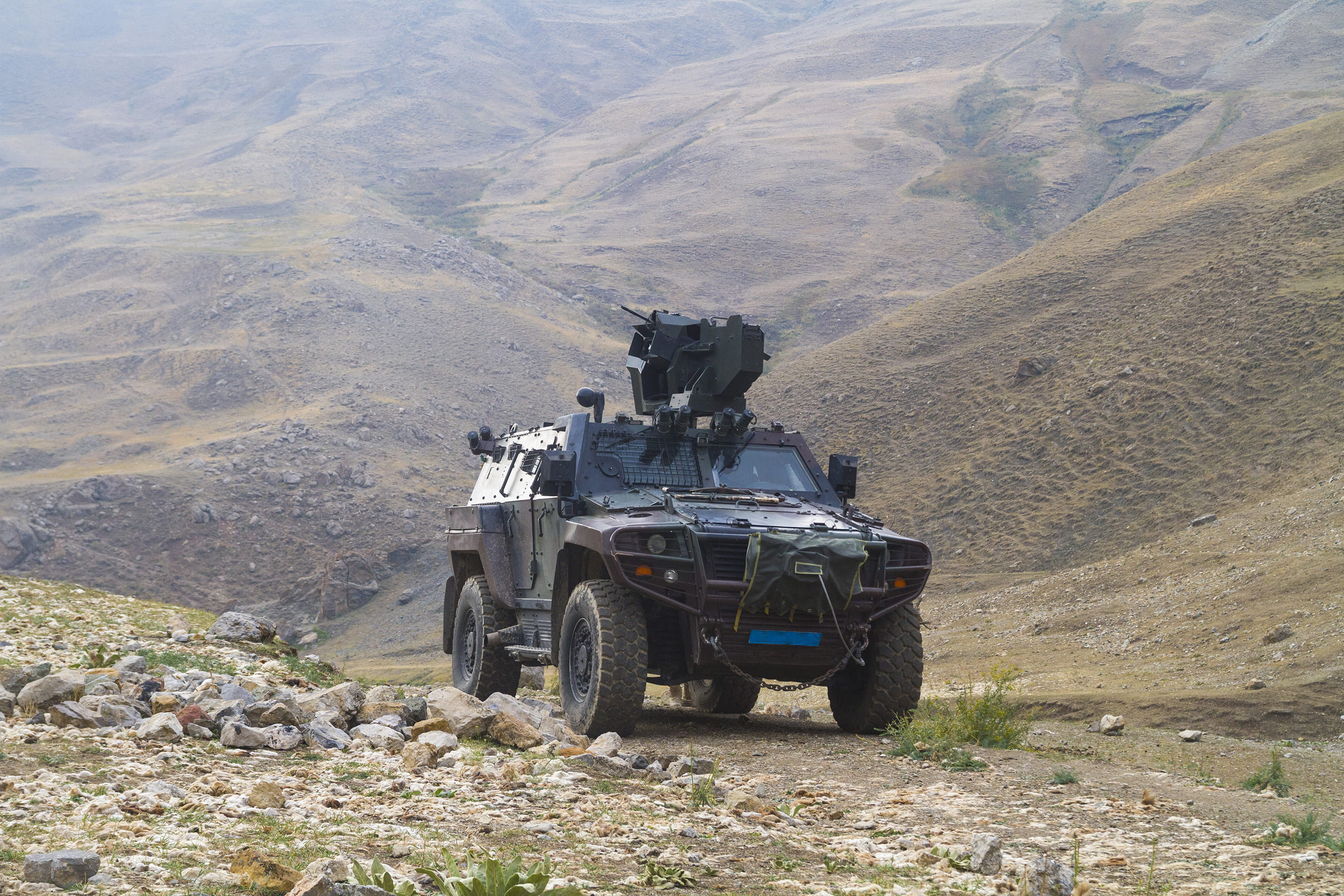
- Remote-controlled weapon stations (RCWS / RWS) for precision targeting
- Local situational awareness systems (LSA) for greater protection
- Driver vision enhancement systems (DVE) for daytime and night-time operations
To address the needs of these applications, LYNRED harnesses the advantages of the MWIR (Medium-Wave Infrared) band for performing reconnaissance and identifying targets, and the LWIR (Long-Wave Infrared) band for ensuring long-range detection, even when conditions take a turn for the worse.
The detectors and modules designed for armored vehicles combine many essential attributes:
- Reliable operation for long-term performance in extreme conditions
- Robust design to withstand impacts and vibrations
- High-resolution images to accelerate the decision-making process
- Long-range observation to anticipate threats before detection by enemy forces
Discover at the bottom of the page the related products for these type of uses.
With this range of rugged and high-performance thermal sensors, LYNRED allows land defense system manufacturers and integrators to design reliable and tactically decisive embedded optronic solutions tailored to each mission.
1.2. Detectors for soldier-worn equipment
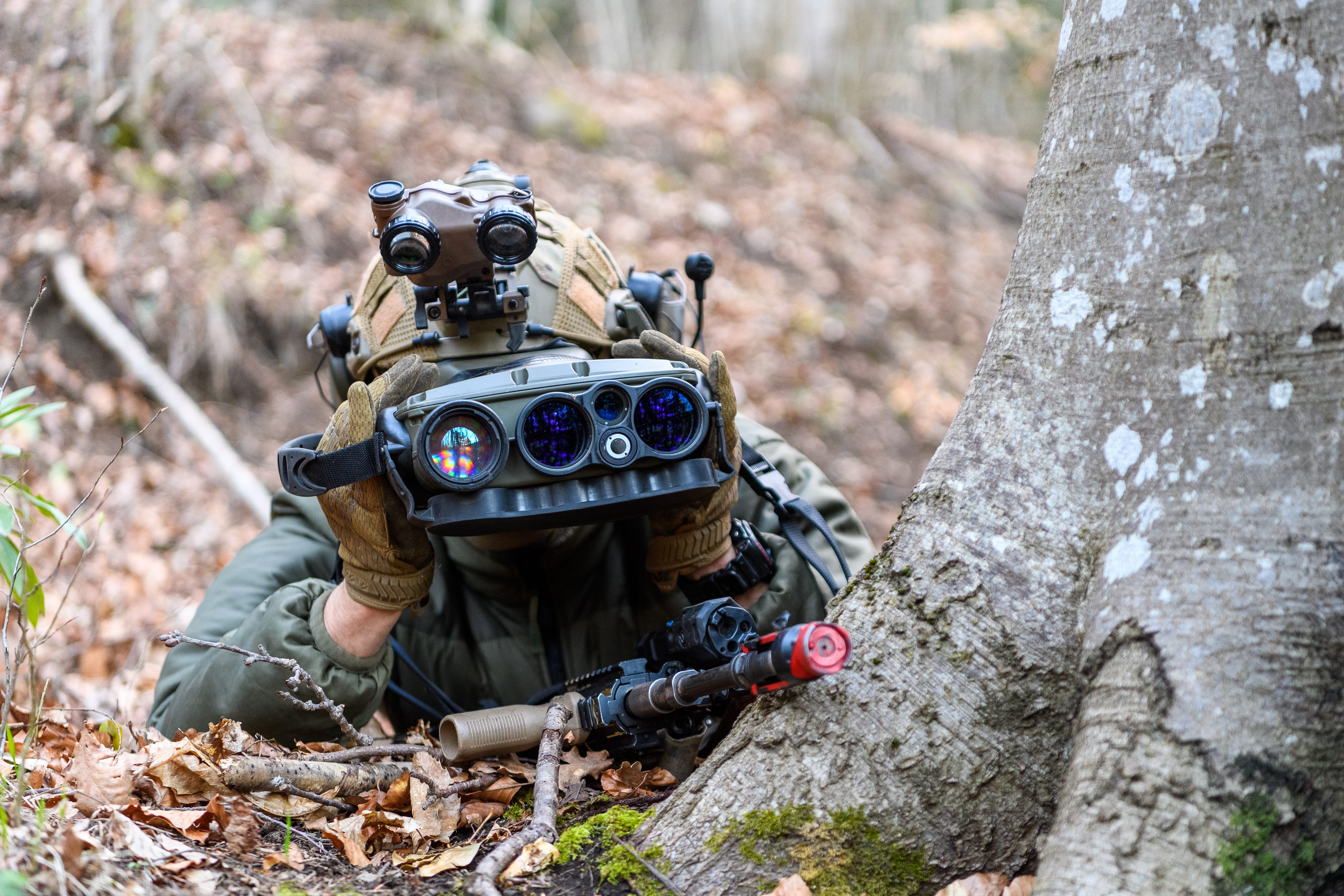 Infrared vision can give infantry forces a major tactical advantage. It gives troops a clear edge on the battlefield by extending their ability to gather intel and take action. Thermal sights, binoculars, monoculars and helmet clip-ons allow soldiers to detect heat signatures from a distance during the day and at night, without blowing their cover.
Thermal imaging not only delivers greater protection for ground forces, but also bolsters their intel-gathering activities, improves their capacity for military intervention and accelerates their speed of response.
LYNRED's sensors and modules are available in cooled and uncooled versions. They boast a lightweight, rugged design, low power draw and excellent image quality, meaning that they meet SWaP performance requirements (Size, Weight and Power). As such, they are ideally suited for incorporation into handheld equipment and overcoming the mobility challenges in the field.
Discover at the bottom of the page the related products for these type of uses.
1.3. Tactical thermal surveillance and field reconnaissance
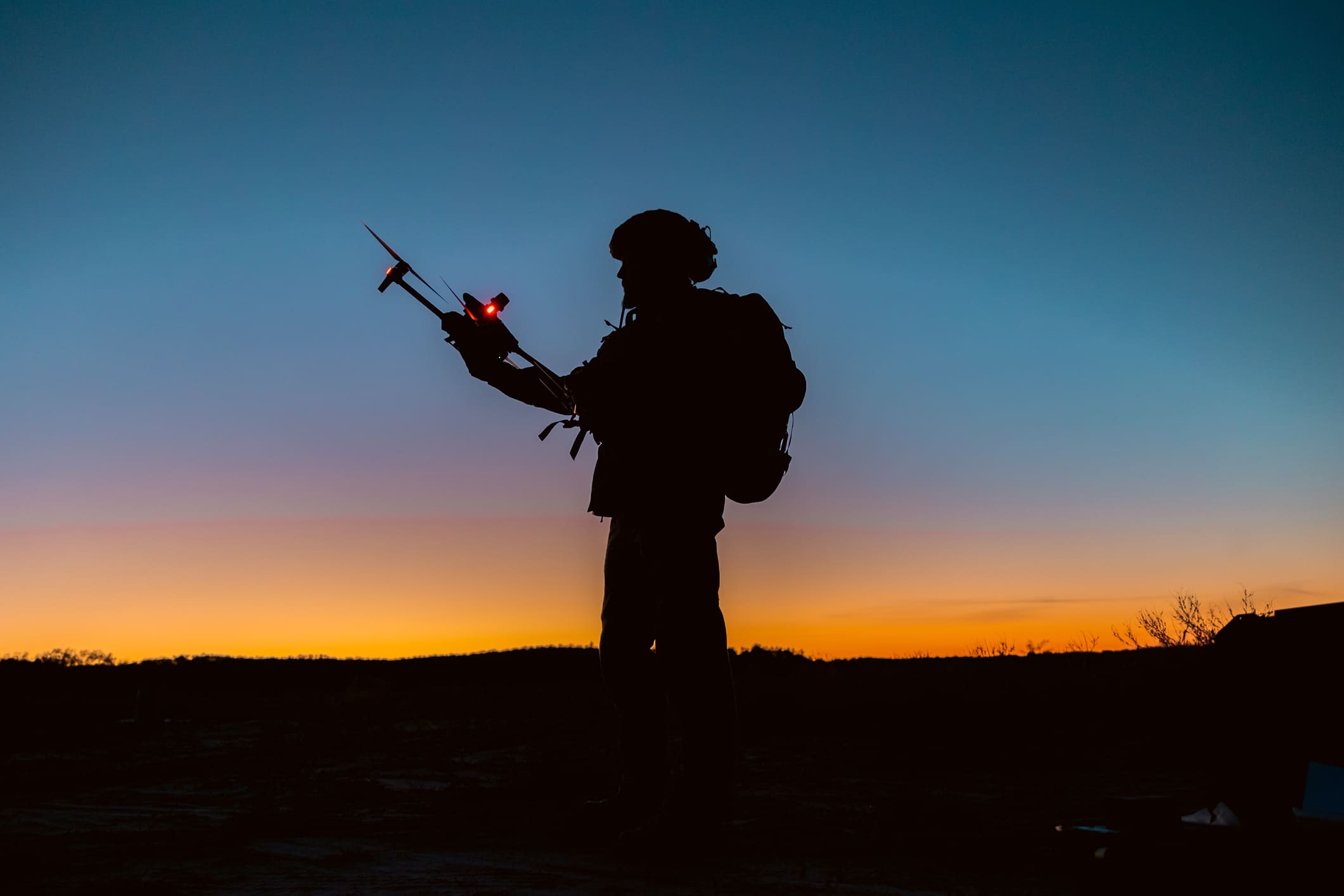 The ability to conduct stealthy reconnaissance operations from a safe distance is key to shielding ground forces from harm. Whether sensors embedded in unmanned ground vehicles (UGVs), unmanned aerial vehicles (UAVs) or mobile surveillance systems, such as unattended ground sensors dropped into mission areas for scoping the terrain before sending in troops, LYNRED offers a compact range of thermal sensors and modules delivering reliability and high performance.
They help improve situational awareness, anticipate hazards and take informed decisions in complex or uncontrolled environments with the aim of minimizing soldiers' exposure to potential threats.
LYNRED has developed a wide range of cooled and uncooled thermal detectors and modules for these applications that cover the entire infrared spectrum (MWIR, LWIR and SWIR). These sensors are specifically designed to:
- Operate in extreme environments (mud, dust, humidity and major temperature variations)
- Meet strict SWaP requirements (Size, Weight and Power)
- Provide long-range observation capabilities with excellent image quality
- Integrate seamlessly into embedded autonomous systems
Discover at the bottom of the page the related products for these type of uses.
These technologies can give land forces a real tactical advantage, with the heightened ability to anticipate the enemy's movements, keep sensitive areas under close surveillance, and ramp up mission safety, while reducing their footprint to a minimum.
1.4. Aerial detection and IRST systems
The ability to deliver a swift response while keeping a low profile is crucial in aerial warfare situations, meaning that infrared optronic systems can bring a strategic advantage and swing the outcome. Forces can use IRST (Infrared Search and Track) solutions to detect, track and identify several targets in the air or on the ground without emitting the slightest signal, thereby keeping their platform under a cloak of invisibility.
Embedded thermal imaging systems are involved in several tactical situations, whether for combat missions, airborne support or air transport services:
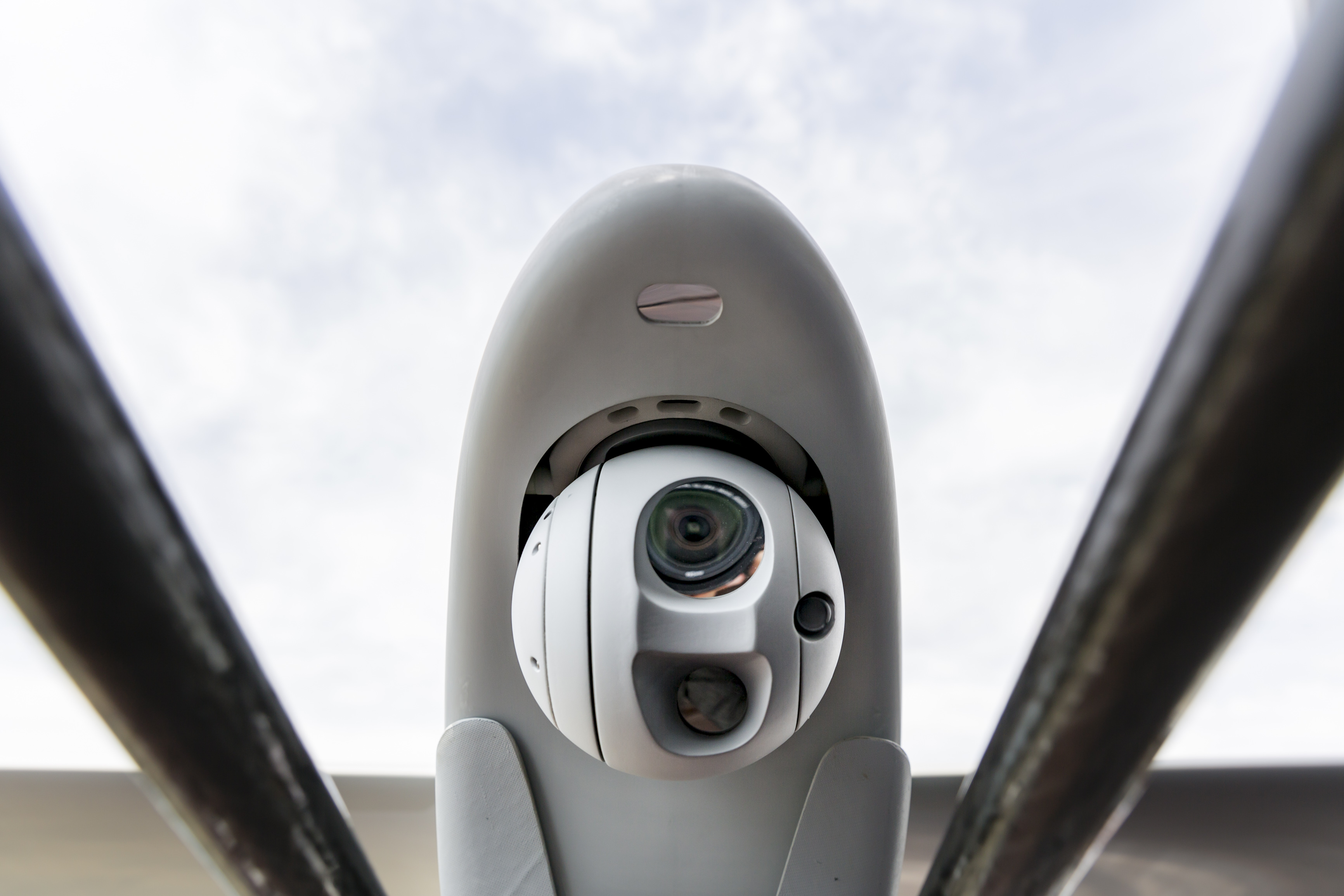
- Landing support (enhanced vision system – EVS) in low-visibility conditions
- Safe taxiing, especially in case of fog, dust, smoke or total darkness
- Operational engagement with multi-target detection and screening using pods, gimbals and missile warning systems (MWS)
Airborne surveillance, reconnaissance and targeting missions are carried out, either 24/7 or whenever the need arises, in all weather conditions to provide effective and targeted intelligence for easier decision-making.
For several years now, LYNRED has been working with world-leading aeronautical and defense players to design high-performance infrared detectors that can meet the extreme requirements for airborne applications:
- Long-range observation to detect targets without being spotted
- Exceptional image quality, which is essential for performing reconnaissance and identifying targets
- Robust and reliable performance when subjected to extreme altitudes, speeds and thermal stress
Discover at the bottom of the page the related products for these type of uses.
By leveraging LYNRED's extensive product lineup, air forces can bring very high-precision passive detection capabilities to their arsenal and thereby gain information superiority and improve flight safety in an increasingly complex range of combat situations.
1.5. Protection, surveillance and naval & maritime reconnaissance
Operational requirements at sea are just as high as those on land, given the extreme environmental conditions and the need for unwavering vigilance. Thermal imaging plays an instrumental role in helping military buildings scale up their security, protection and tactical efficiency.
Whether for coastal patrols, surveillance operations on the high seas, search and rescue missions or precision targeting, the infrared detectors and modules from LYNRED are designed to ensure reliable thermal vision during the day and at night, even in such challenging conditions as fog and total darkness.
When incorporated into embedded optronic systems, LYNRED's sensors facilitate:

- Ship guidance to prevent collisions
- Situational awareness in the combat zone
- Long-range surveillance and the detection of surface threats
The sensors for these types of applications combine:
- High resolution for fine-grained and detailed images
- Robust design with a proven ability to withstand the most demanding marine weather conditions
- Long-range observation, which is essential for sensing threats and taking swift action
Discover at the bottom of the page the related products for these type of uses.
With its leading-edge detectors, LYNRED allows naval forces to safely operate with supreme precision, while keeping them in firm control of the tactical environment.
1.6. Embedded systems for drones and unmanned vehicles
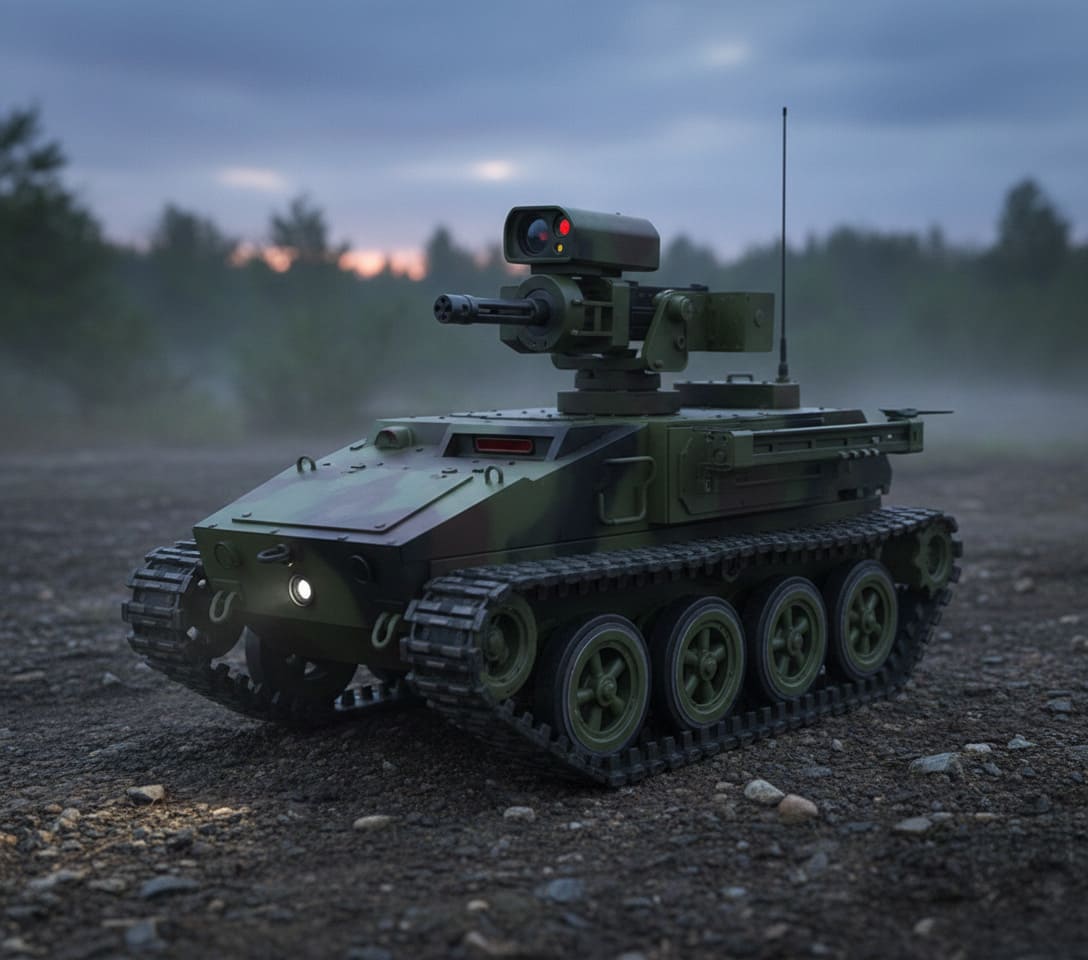
Today's armed forces have brought unmanned vehicles into widespread use, whether for land (UGV), sea (USV) or air (UAV).
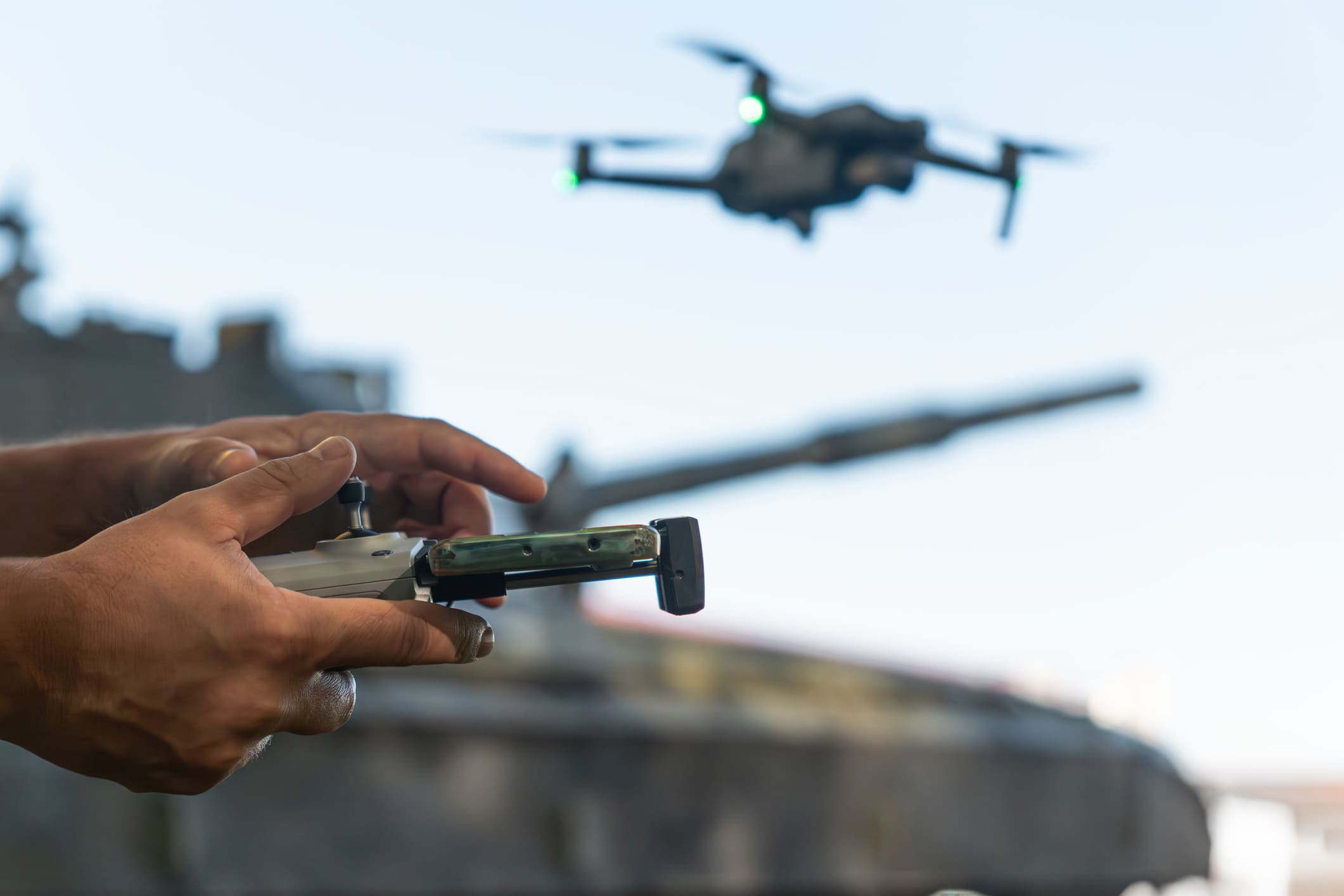
These systems are a must-have for reconnaissance, surveillance, intelligence, targeting and logistics missions. They can even be used to launch attacks while significantly reducing the risks for infantry troops.
In these cases, thermal imaging is much more than a simple asset, since it can change the face of tactical warfare. In addition to seeing and detecting, it can accurately locate, measure and identify targets, even in dark or dusty environments.
The sensors and modules for unmanned vehicles need to meet a highly specific set of requirements:
- Space-saving format and compact size (improved SWaP – Size, Weight and Power)
- Robust design to withstand impacts, vibrations and extreme weather conditions
- Low power draw, which is essential for an autonomous system
- Long-range observation to anticipate threats or analyze hotspots from a distance
LYNRED offers two complementary approaches to fulfil these requirements:
- Cooled detectors built into the modular PlugUp platform, which are designed for complex embedded architectures.
- Advanced thermal imaging (ATI) modules streaming corrected images for instant use with a high level of reliability.
LYNRED has developed the PlugUp™ platform to provide a standardized range of interfaces and a turnkey approach for seamlessly integrating cooled detectors into customers' systems and shortening development cycles. Standardization helps drive down production times and improves overall system reliability by limiting the amount of fine-tuning required.
Discover at the bottom of the page the related products for these type of uses.
With these modular, high-performance solutions, LYNRED allows defense manufacturers and integrators to design lightweight and discreet embedded systems with the ability to secure a tactical advantage.
2. The main technology trends in the defense imaging sector
The adoption rate for thermal imaging solutions in the defense sector is gathering pace, which can be attributed to the military's increasingly stringent operational requirements and the constant breakthroughs in technology . Whether on land or in the air, the ability to detect, identify and act with precision now depends on access to an ever more effective, compact and intelligent range of infrared sensors and modules.
The main trends currently shaping military thermal detection systems are described below:
2.1. Reduced pixel pitches for increasingly compact designs
Infrared defense sensors are now adopting ever smaller pixel pitches (down to 7.5 µm or 5 µm) without any trade-off in resolution or image quality. This approach is key to:
- Reducing the size and weight of the optical systems, which is a major asset for embedded platforms
- Designing discreet systems that are lighter and easier to integrate, including for drones and portable equipment
- Maintaining an equivalent field of vision when compact formats are used
This trend comes in direct response to SWaP-C requirements (Size, Weight, Power & Cost), which now represent a focal part of any modernization program.
2.2. Sensor formats with ever higher resolutions
In an effort to address the need for long-range detection, multi-target recognition and high-precision targeting, sensor formats are moving towards higher resolutions (XGA, SXGA and HD). These formats provide:
- Greater coverage of the scene
- An enhanced level of detail for classifying objects
- Compatibility with IRST systems or multi-band optronic pods
2.3. Incorporation of embedded artificial intelligence
 Embedded AI algorithms are starting to play a growing role in:
- Processing images in real time
- Automatically detecting threats or objects
- Supporting the tactical decision-making process in complex situations
These functions are especially useful in autonomous systems (drones, air-dropped unattended ground sensors, stationary surveillance systems, etc.) and missions with a low bandwidth or critical lead-time.
With its continual investments in R&D, its partnerships with industry and its proven expertise, LYNRED has carved its reputation as a leading player in these trends, with the ability to support manufacturers and clients in developing their new-generation thermal imaging systems.
3. Why armed forces choose LYNRED
For 40 years, LYNRED has been designing and manufacturing high-performance infrared detectors and modules, which have been embedded in thousands of thermal imaging systems deployed in active combat zones around the world. LYNRED's solutions have earned that trust from the armed forces through the company's technological expertise, robust industrial processes and customer engagement. This unique combination is perfectly capable of fulfilling the requirements of all defense applications.
3.1. End-to-end technological expertise
LYNRED can lay claim to expertise across the entire infrared detector value chain, from design and production through to packaging and testing. Such end-to-end expertise guarantees:
- Control over the product's quality and performance throughout its lifespan
- French and European industrial sovereignty, which is vitally important in light of the tensions sweeping the global geopolitical arena
- The ability to pioneer bespoke solutions for national or multinational defense programs
3.2. Qualified, rugged and reliable detectors
LYNRED's sensors and modules are specifically designed to meet the highest standards in the defense industry:
- Resistance to impacts, vibrations, dust, humidity and temperature variations
- Compliance with MIL-STD standards
- Proven longevity, even in intensive deployment conditions
- High operational availability, even in the most hostile environments
These qualities explain why land, air and sea forces have placed their trust in LYNRED's sensors.
3.3. Support throughout the project lifecycle
The customer relationship does not end once LYNRED has delivered a sensor or module. Every customer is entitled to:
- Expert-level technical support
- Access to a complete document library over the secure extranet
- Training provided onsite or in the company's Training Center
- Access to the Lynred Toolbox™, a software suite that simplifies the process of evaluating, integrating and tuning sensors.
Integrators and clients can leverage our support and guidance to reduce their development cycles, secure their projects and improve their response capabilities.


