


please confirm your location


请确认您的位置

At LYNRED, innovation is a powerful, strategic lever. It permeates and influences every step in the value chain, from designing infrared detectors through to embedding them in complex systems, as well as continually improving performance, formats and reliability.
LYNRED plows over 15% of its revenue into research and development, while laying claim to a portfolio with 500 patents across more than 90 families. This innovation culture is aimed at reinforcing the company's leadership in the infrared sector by developing leading-edge technologies geared towards a wide range of markets, including the defense, aerospace, machine vision, security, leisure and hunting, environment, and automotive sectors.
Whether miniaturization or integration into embedded systems, LYNRED pioneers solutions that anticipate the applications of tomorrow's world. With its ability to continually break new ground, LYNRED has forged its reputation as a world leader in the thermal imaging sector.

"Innovation is the driving force behind LYNRED's business. It plays a key role in giving our products and industrial processes a greater competitive advantage, while improving our appeal to our customers and partners."
Hervé Bouaziz, Executive President
1.LYNRED's commitment to innovation
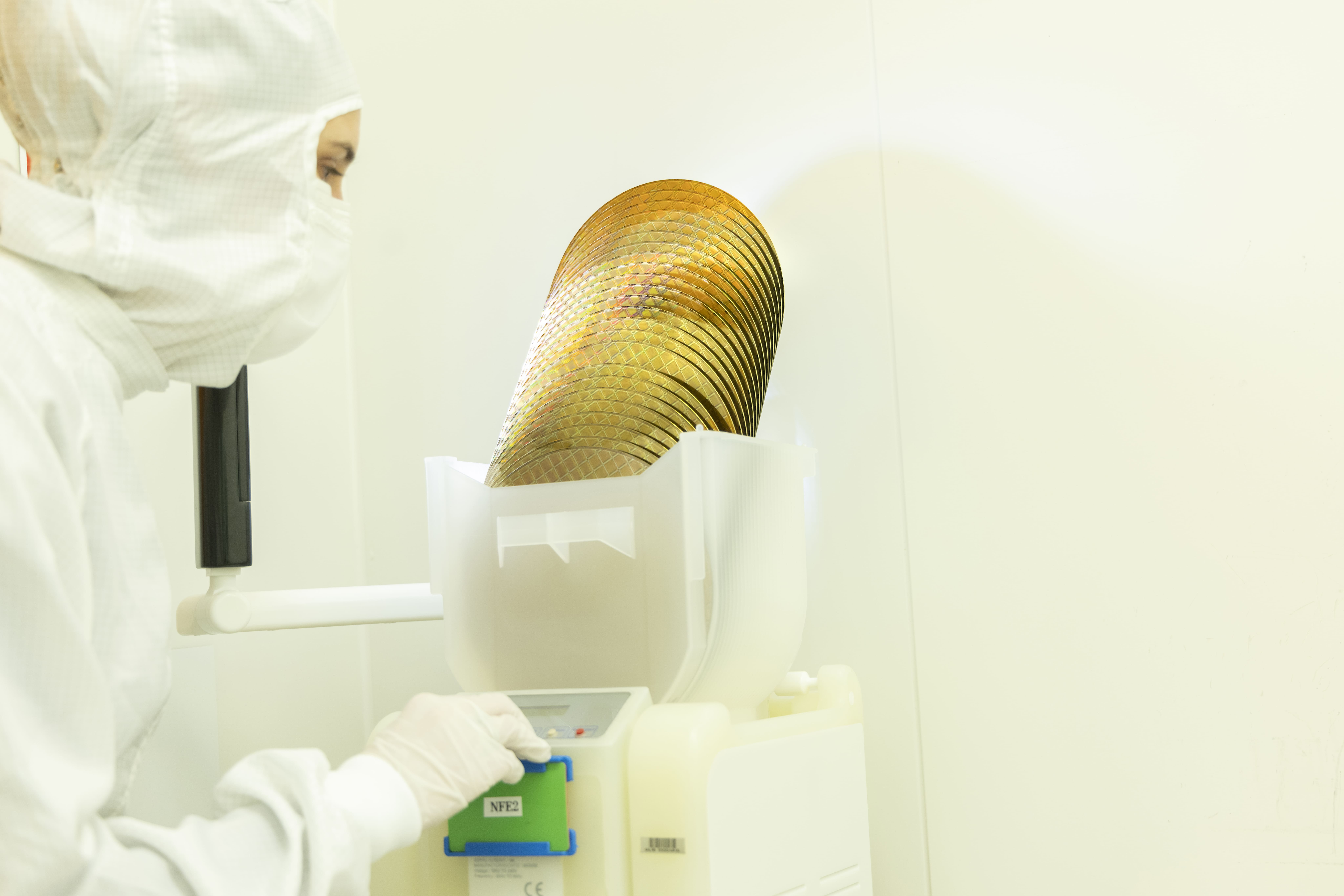
LYNRED invests 15% of its revenue in developing new infrared technology sectors and masterminding new products, in addition to its customer-funded developments, particularly for the aerospace markets.
LYNRED's innovation activities are led by approximately 200 people, or 20% of the workforce.
Alongside the R&D activities within LYNRED, we can use the joint laboratories that we share with our strategic partners, such as CEA and III-V Lab.
These long-term partnerships are mission-critical for tackling the challenge of raising the performance of our products and lowering their costs.
2.LYNRED: clearly ahead of the innovation curve
One of the focus areas in our R&D roadmap is reducing our products' pixel pitches. Based on the same video format, achieving smaller pitches helps scale down the size of our components and lower the cost of our products. The alternative involves keeping the same imager dimensions but increasing the number of pixels, which has the effect of extending the range of our detectors. Since the 2000s, LYNRED has been blazing a trail in the global race to reduce pixel pitches.
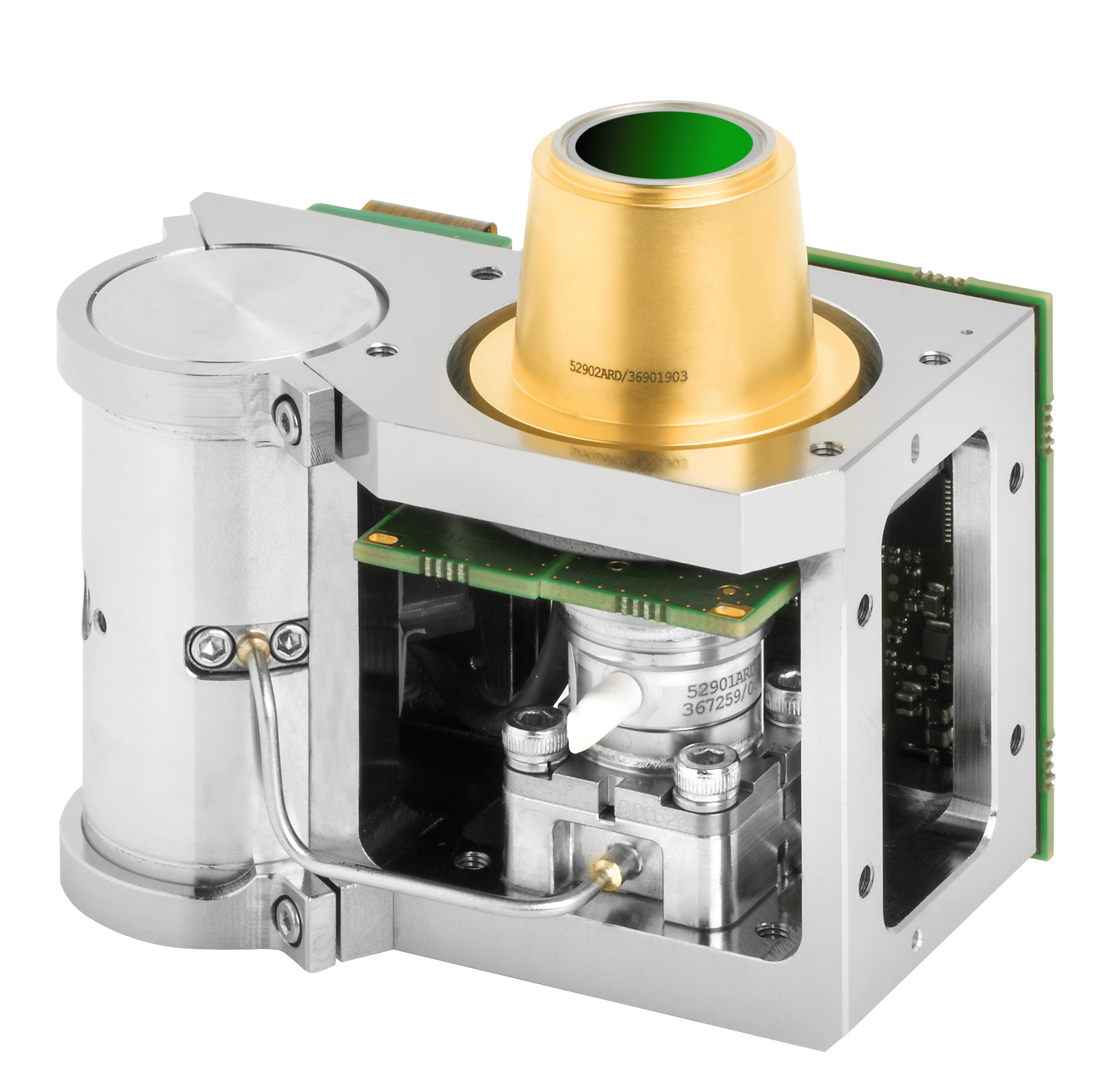
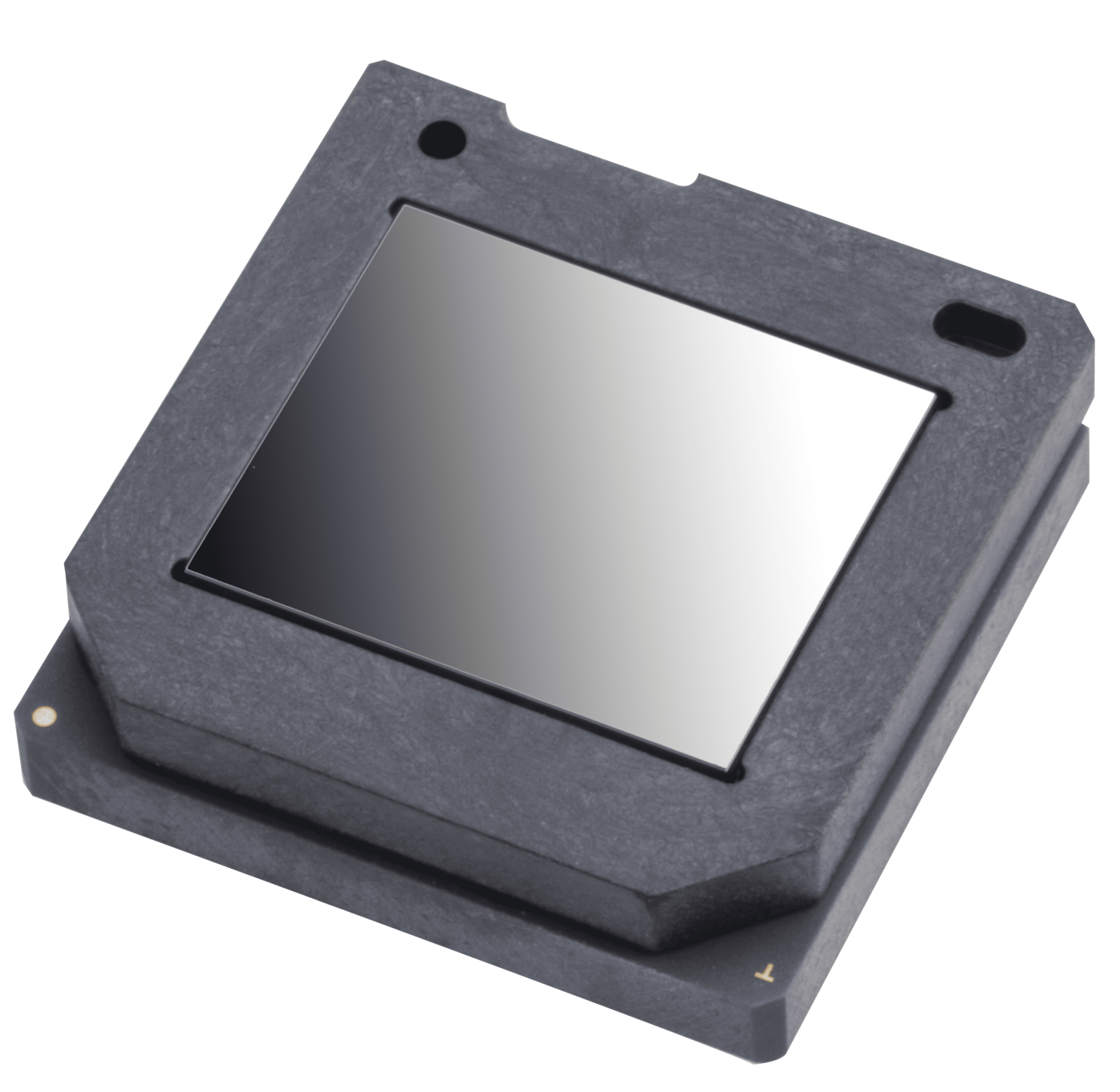 Our new-generation products, which currently offer a pitch of 7.5 µm for cooled detectors and 8.5µm for bolometer, clearly confirms our compagny's status as one of the world's frontrunners in this area.
3.Harnessing artificial intelligence to power infrared imaging
Infrared imaging applications are sure to take full advantage of the spectacular progress that has been achieved in artificial intelligence in recent years. Conventional algorithms are gradually being replaced with AI-powered versions, not just for exploiting infrared images, but also for correcting and calibrating those images. The principle with AI involves training these algorithms with annotated image databases. With this in mind, the company disseminated the LYNRED Mobility Dataset in June 2025, Europe's first database of visible light and infrared images covering a wide range of road scenarios. This open-source database is freely available to all those wishing to assess the benefits that the infrared technology and the infrared-visible light combination can bring to automatic emergency braking applications.
Through its partnership with Université Grenoble Alpes' INP Foundation, LYNRED is funding the Deep Red Industrial Chair, whose work is focused on processing and analyzing infrared data more effectively with artificial intelligence. The Chair is financing two theses, one on the fusion of visible and infrared images, and the other on AI-powered methods for analyzing infrared sequences.
4.Innovation for supporting our customers with the Lynred toolbox solution
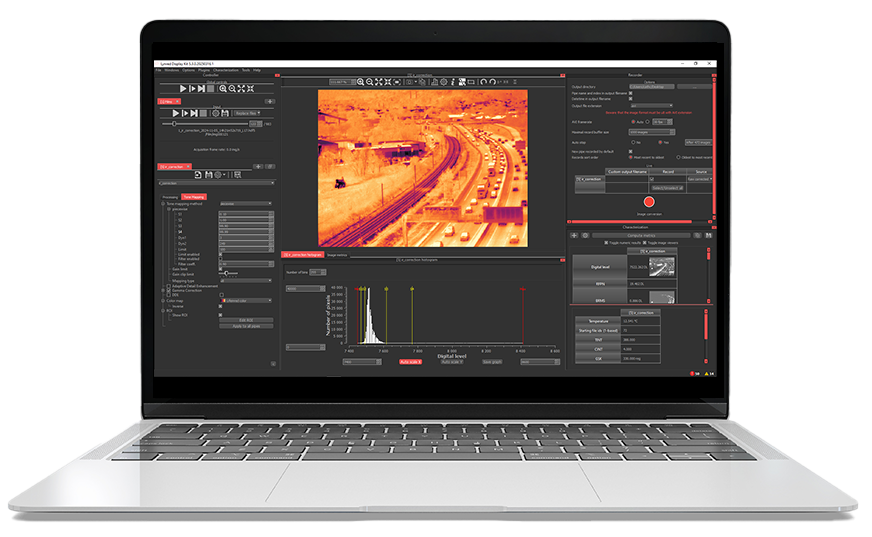
To fast-track the development process and reduce the time to market for its customers' new products, Lynred has designed the LYNRED toolbox, an intuitive software development kit (SDK) allowing them to quickly manage Lynred's products and obtain infrared images with several correction and calibration algorithm options.
5.LYNRED: playing a central role in space missions across France and Europe
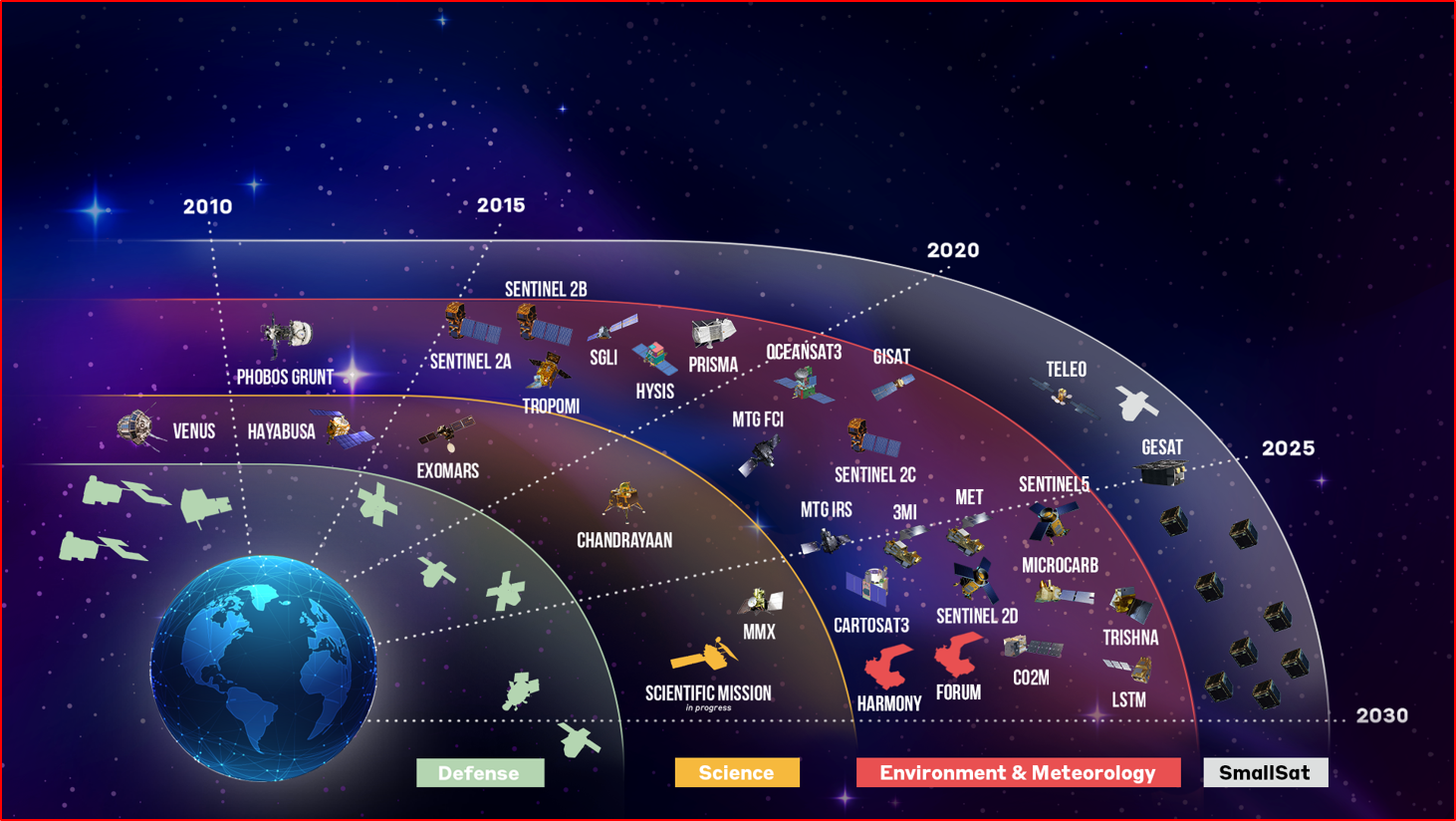
The space market has always been a major catalyst for innovation, since it pushes manufacturers to develop detectors specifically tailored to the market's needs. LYNRED's space-ready detectors have been embedded in French and European Earth observation satellites, including the Sentinel-2 and Sentinel-5 missions of the Copernicus program, 3rd-generation MTG weather satellites, and satellites for monitoring CO2 emissions with CO2M and MicroCarb. Over 80 LYNRED detectors are currently operating in space.
In addition to these leading institutional space programs, LYNRED is also involved in the major New Space trend by offering an extensive range of products meeting the performance/cost/time compromises required for these new markets.
6.LYNRED poised to lead the new infrared markets
Our innovation culture is also demonstrated in our ability to address new markets through our infrared solutions. As the number of applications for infrared imaging continues to rise, two new markets are emerging as part of the drive to meet environmental and road safety challenges.

The first is the optical gas imaging (OGI) market, where infrared imaging is extremely effective at detecting and quantifying methane leaks (a greenhouse gas) from distribution networks and facilities in the petrochemical industry.
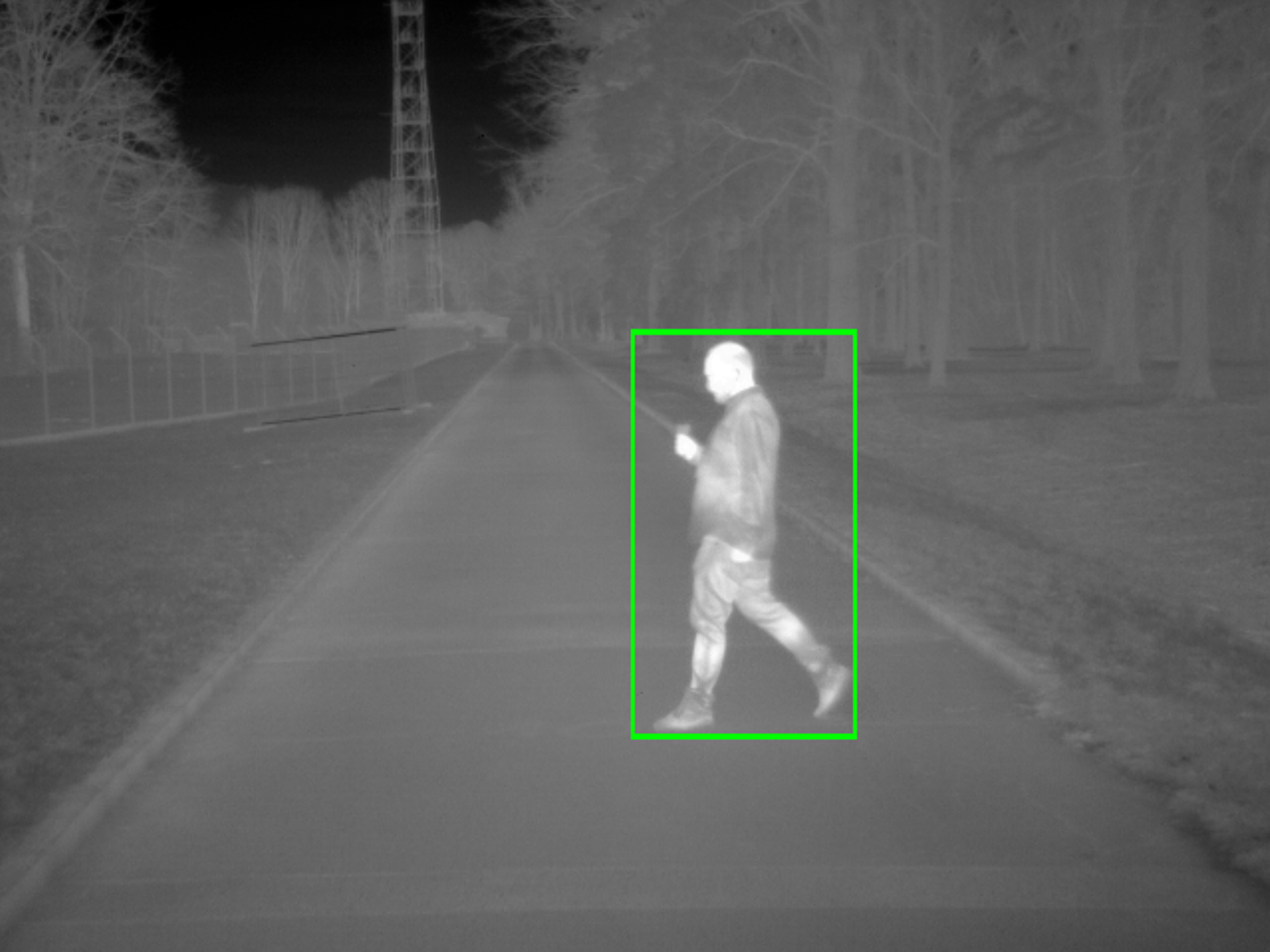
The second market concerns automotive emergency braking systems (AEB). A thermal camera can be added to allow the emergency braking system to continue operating in poor lighting conditions where current visible light cameras would be ineffective.